← Back to courses

Beginner · No prior programming experience required

Python — Programming and Data Analysis for Beginners

Learn Python programming from the ground up and develop practical skills for working with data, automating tasks, creating visualizations, and conducting introductory scientific analysis. The course progresses from basic programming concepts to hands-on data analysis using popular Python libraries.

FormatLive on Zoom
LengthMulti-day sessions
FeeRs. 10,000

Up to 5 in a group, same fee

IncludesE-certificate, notes, exercises, and datasets

About the Python Training Course

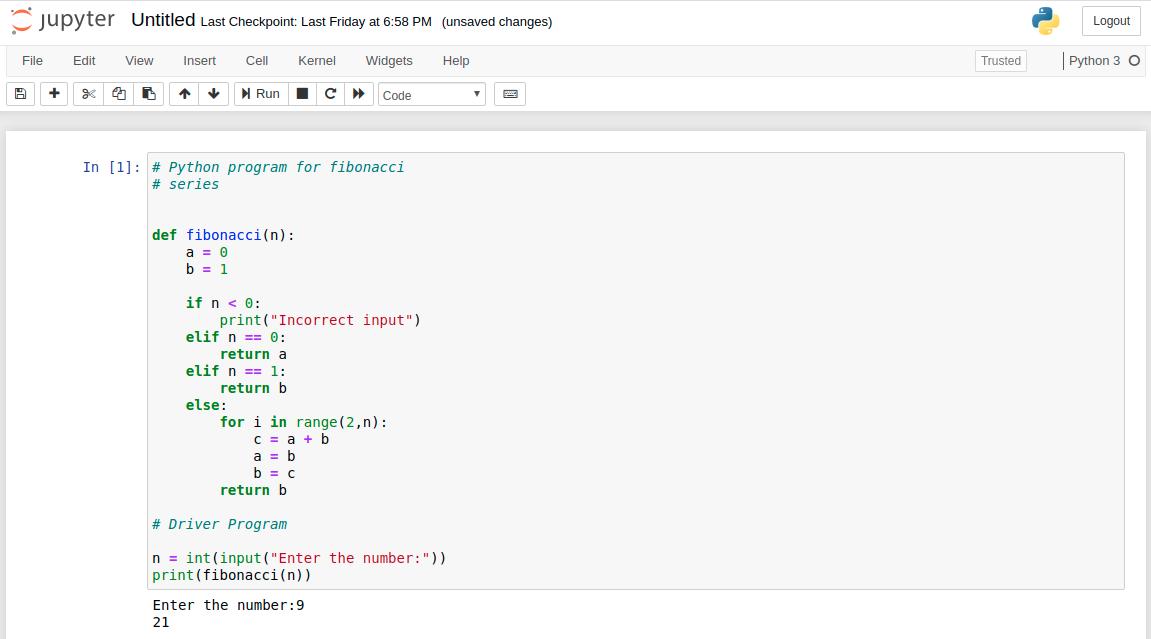
The Python — Programming and Data Analysis for Beginners course is designed to help students, researchers, faculty members, teachers, and professionals develop practical programming skills using Python, one of the most widely used programming languages in scientific computing, data analysis, automation, and Artificial Intelligence. Programming is increasingly important in academic research and professional environments, where the ability to process information, analyze datasets, automate repetitive tasks, and develop computational solutions can significantly improve productivity. However, individuals with no previous programming experience may find it difficult to understand coding concepts, work with development environments, or translate a practical problem into a computer program. This course addresses these challenges through a structured, beginner-friendly introduction to Python, starting with fundamental programming concepts and progressing towards practical applications in data handling, statistical analysis, and visualization. Participants will learn how to set up a Python environment and work with tools such as Jupyter Notebook, Anaconda, and Google Colab. The training introduces essential programming concepts, including variables, data types, operators, strings, lists, tuples, dictionaries, conditional statements, loops, and functions. Participants will also learn how to organize code, import libraries, handle errors, and write reusable programs. Through simple examples and guided exercises, learners will develop an understanding of how Python instructions are executed and how programming can be used to solve everyday computational problems. No previous programming experience is required, making the course suitable for beginners who want to build a strong foundation before exploring more advanced areas of computer science, data science, or Artificial Intelligence.

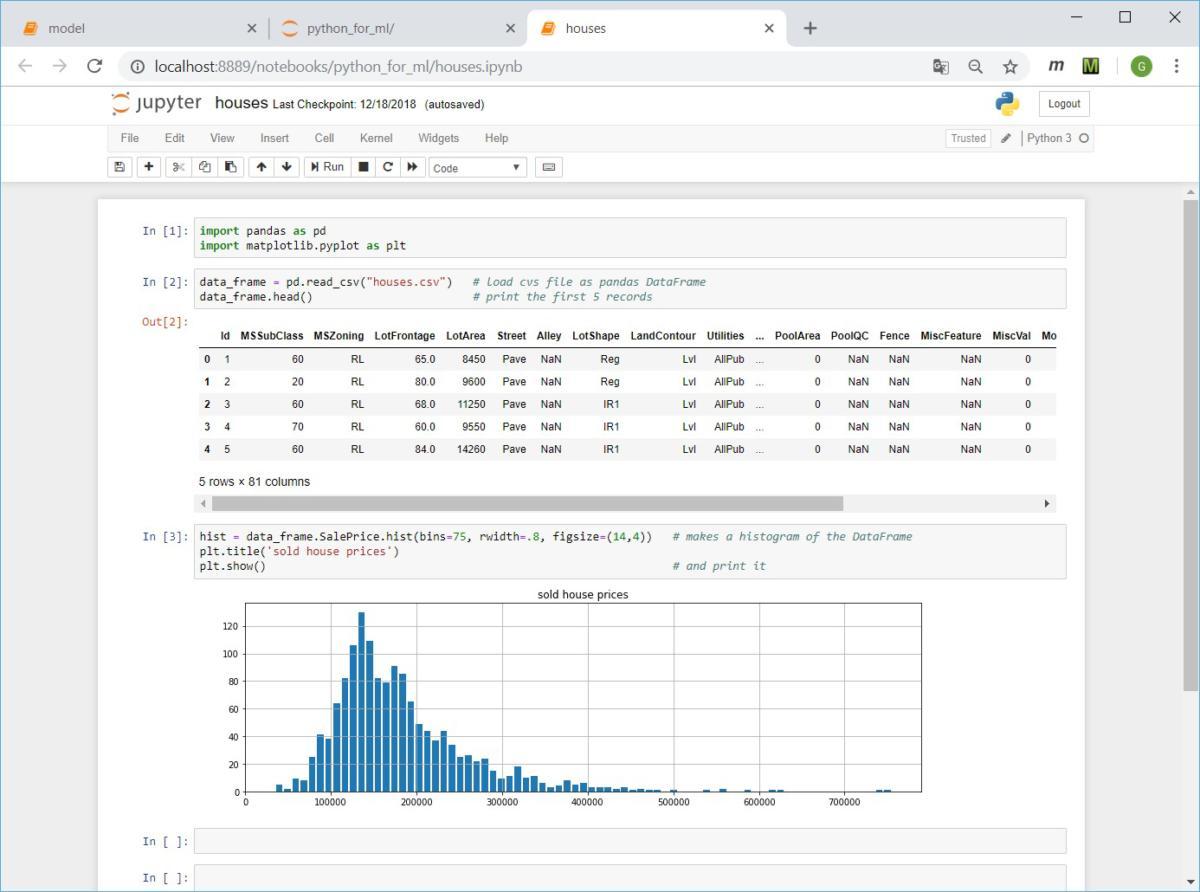
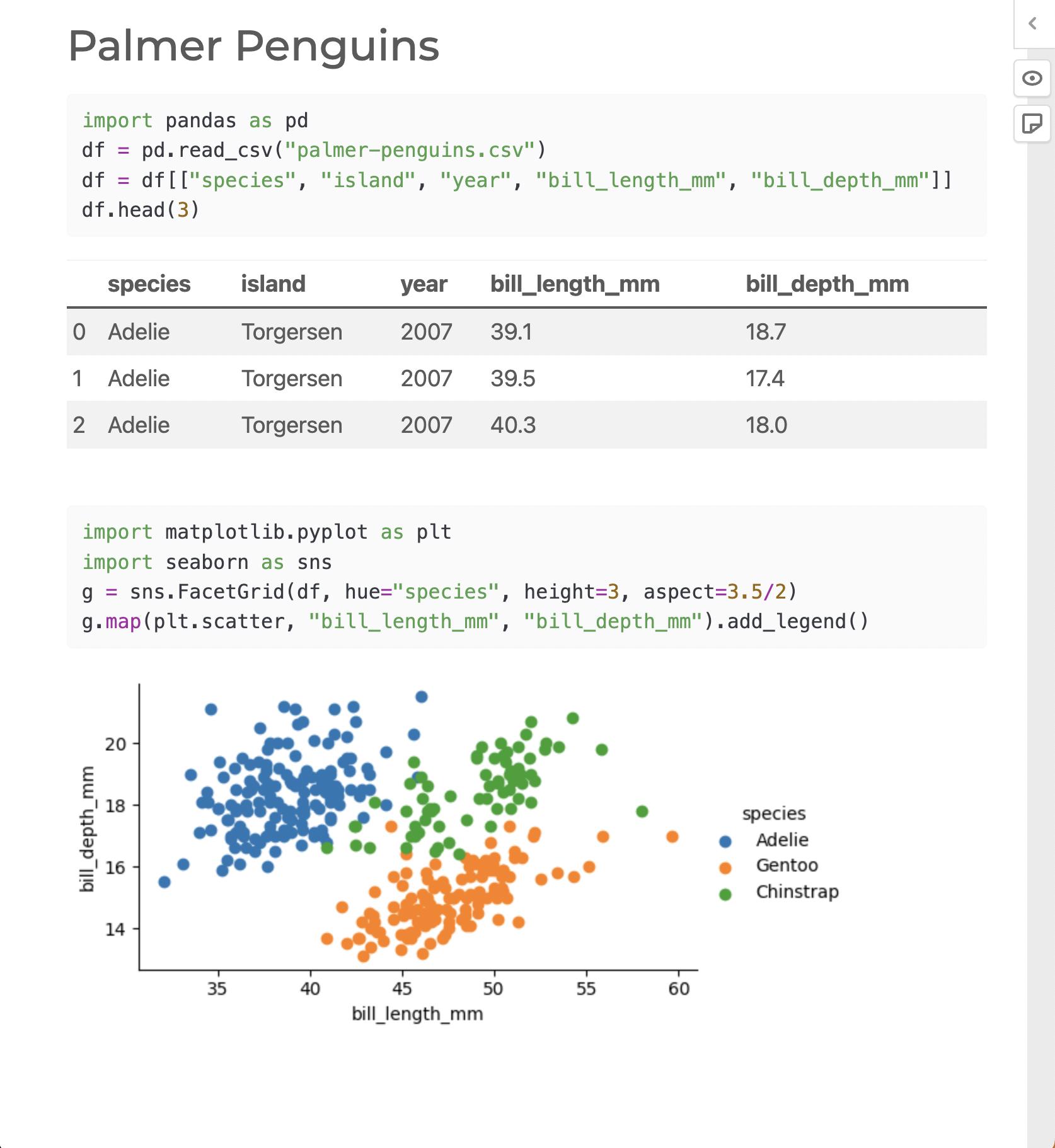
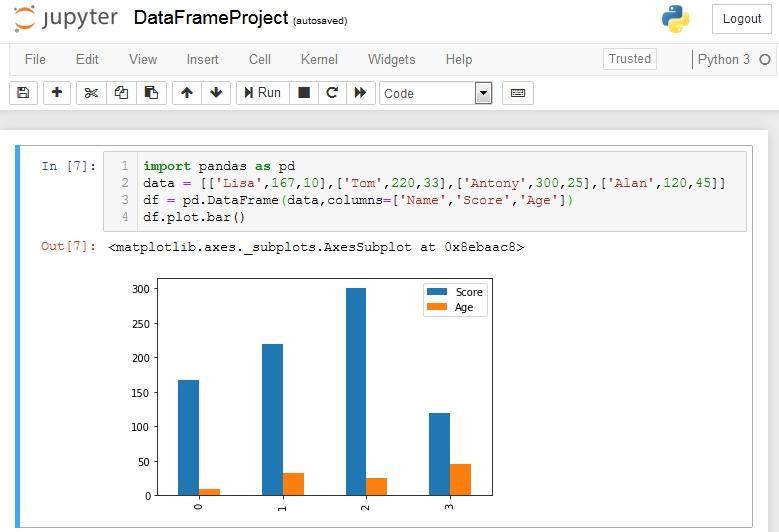
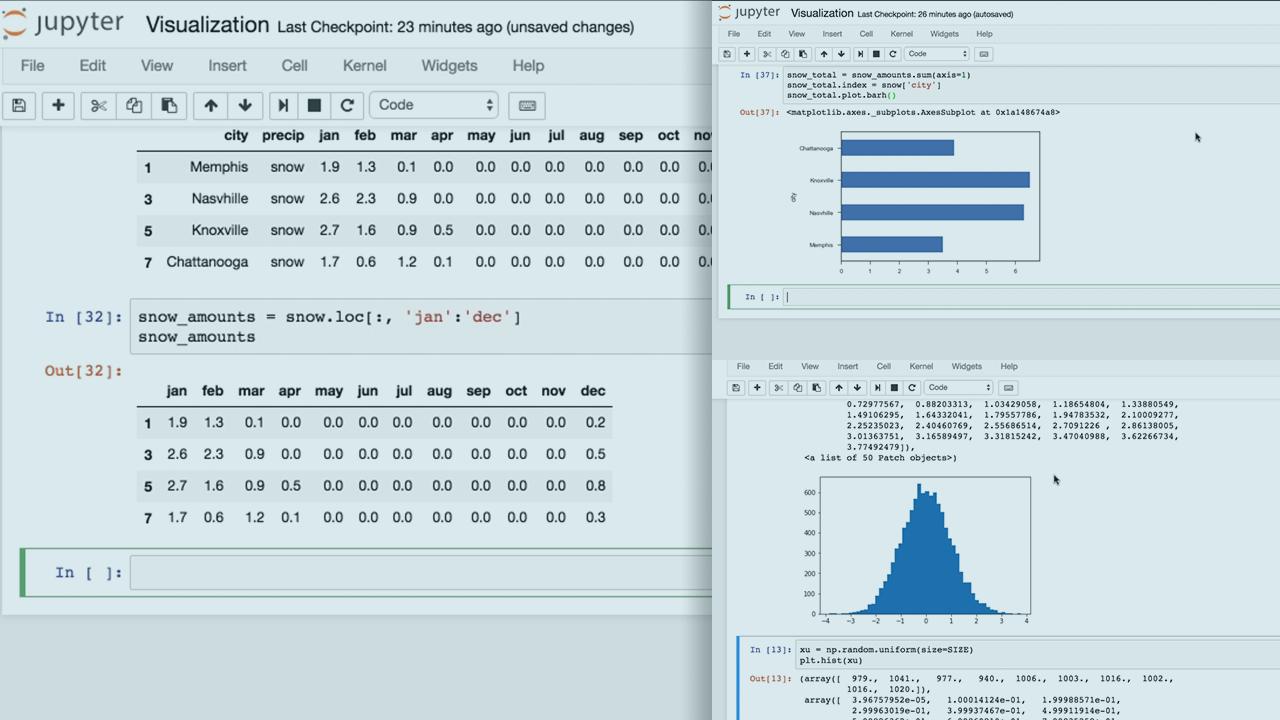
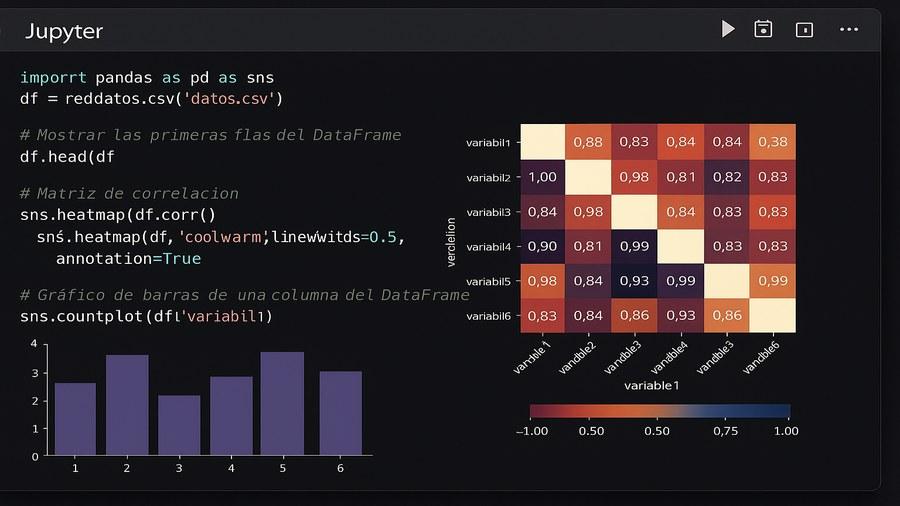
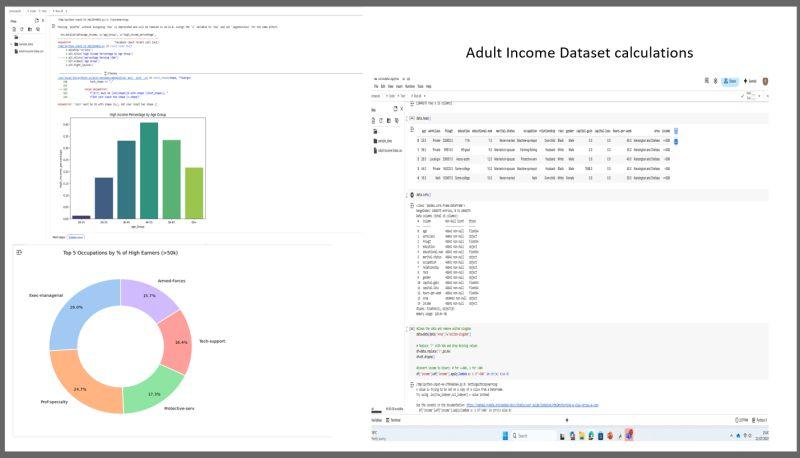
A major component of the course focuses on Python for data analysis, scientific computing, and visualization. Participants will learn how to read, organize, clean, manipulate, and analyze datasets using popular Python libraries, particularly NumPy and Pandas. The training introduces numerical arrays, mathematical operations, basic statistical functions, and efficient ways to perform calculations on structured data. Participants will practice importing datasets from CSV and Excel files, inspecting rows and columns, selecting observations, filtering records, sorting values, creating new variables, and summarizing information. Particular attention will be given to common data preparation tasks, including identifying missing values, detecting duplicate records, correcting data types, and combining datasets. These techniques are essential for researchers and professionals working with survey responses, experimental observations, administrative records, and other forms of structured data. The course also introduces data visualization using Matplotlib and provides an introduction to Seaborn for creating statistical graphics. Participants will learn how to generate bar charts, line charts, histograms, scatterplots, and boxplots, customize titles and labels, and export figures for reports and presentations. Basic exploratory data analysis will help participants understand the distribution of variables, identify unusual observations, investigate relationships between variables, and summarize datasets before conducting further analysis. An introduction to scientific computing will demonstrate how Python can support mathematical calculations, random sampling, simple simulations, and basic statistical procedures. Where appropriate, participants will also explore how Python can assist in automating repetitive data-processing activities, saving time and reducing manual effort. The emphasis throughout this part of the training is on practical understanding rather than memorizing commands, enabling participants to develop reusable workflows for their own academic and professional tasks.

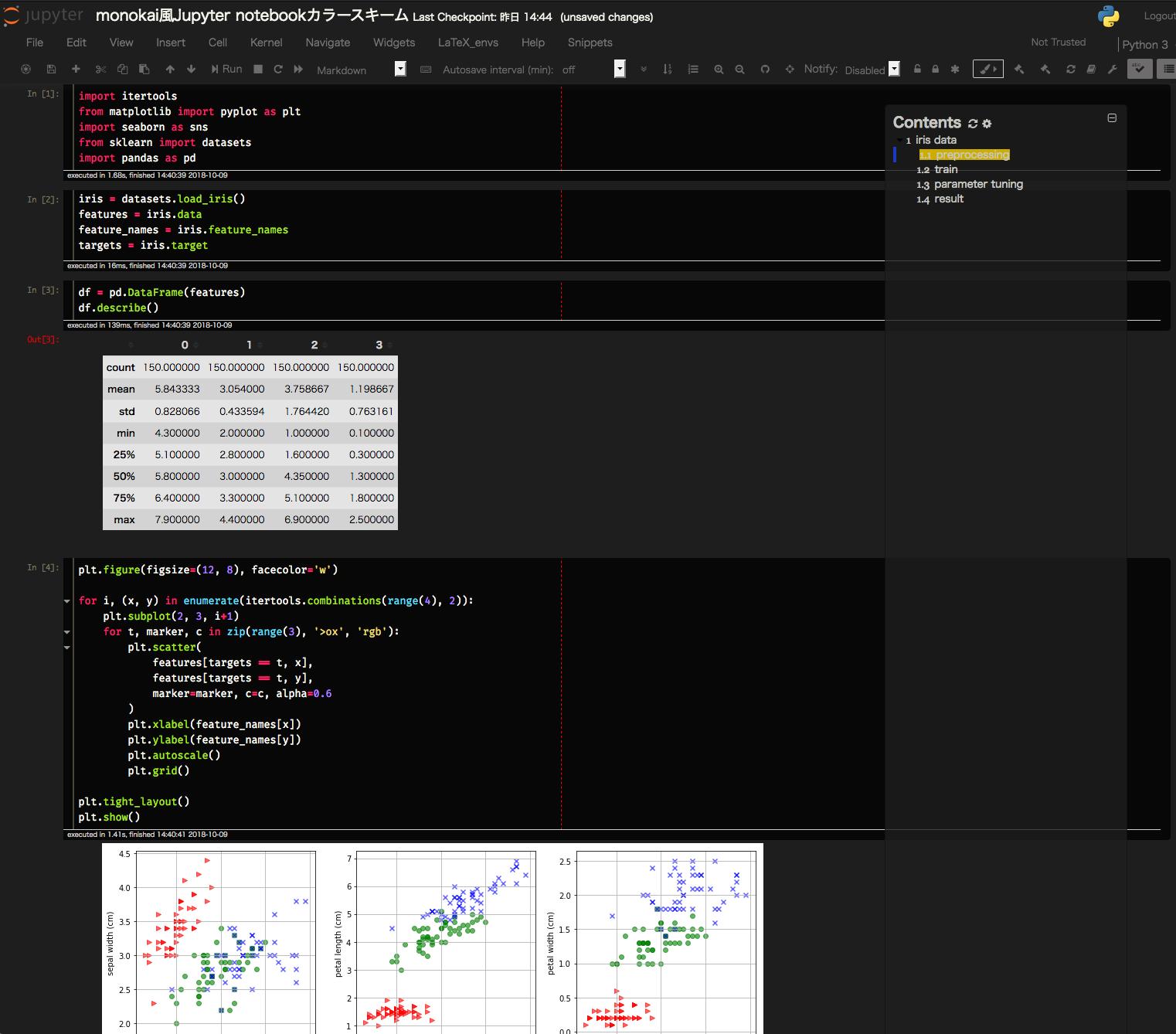
The course further introduces the fundamentals of machine learning and practical research applications to help participants understand how Python can be extended beyond basic programming and data analysis. Participants will be introduced to the concepts of supervised and unsupervised learning, classification, regression, clustering, training and testing datasets, and basic model evaluation. Using introductory examples and libraries such as scikit-learn, they will explore how a simple predictive model can be developed, trained, and evaluated on a sample dataset. The course may include demonstrations of linear regression, decision trees, and K-means clustering to illustrate different analytical approaches and their potential applications. These topics are intended to provide an introduction to machine learning rather than comprehensive training in advanced AI development. Practical exercises may include cleaning a research dataset, generating descriptive summaries, creating visualizations, automating file-processing tasks, and documenting an analysis in a Jupyter Notebook. Participants will also learn good programming practices, including adding comments, organizing code, saving scripts, documenting analytical steps, and producing reproducible results. By the end of the course, participants should be able to write basic Python programs, work with common data structures, manipulate structured datasets, perform exploratory data analysis, create meaningful visualizations, and understand introductory machine learning workflows. The training is particularly suitable for undergraduate and postgraduate students, PhD scholars, researchers, faculty members, and professionals who want to develop programming and data analysis skills without a technical background. It is delivered online through live, instructor-led sessions and can be arranged for individual participants or groups. Supporting materials, including presentation slides, notes, exercises, scripts, and sample datasets, are provided to support hands-on learning, along with an e-certificate upon completion. The detailed syllabus below outlines the topics covered and provides a clear overview of the programming concepts, analytical techniques, and practical skills participants can expect to develop during the training.
Course contents

Module 1

Introduction to Python

  • What is Python and why is it popular?
  • Applications of Python in research, science, AI, and business.
  • Python versus other programming languages.
  • Installing Python and understanding Python distributions.
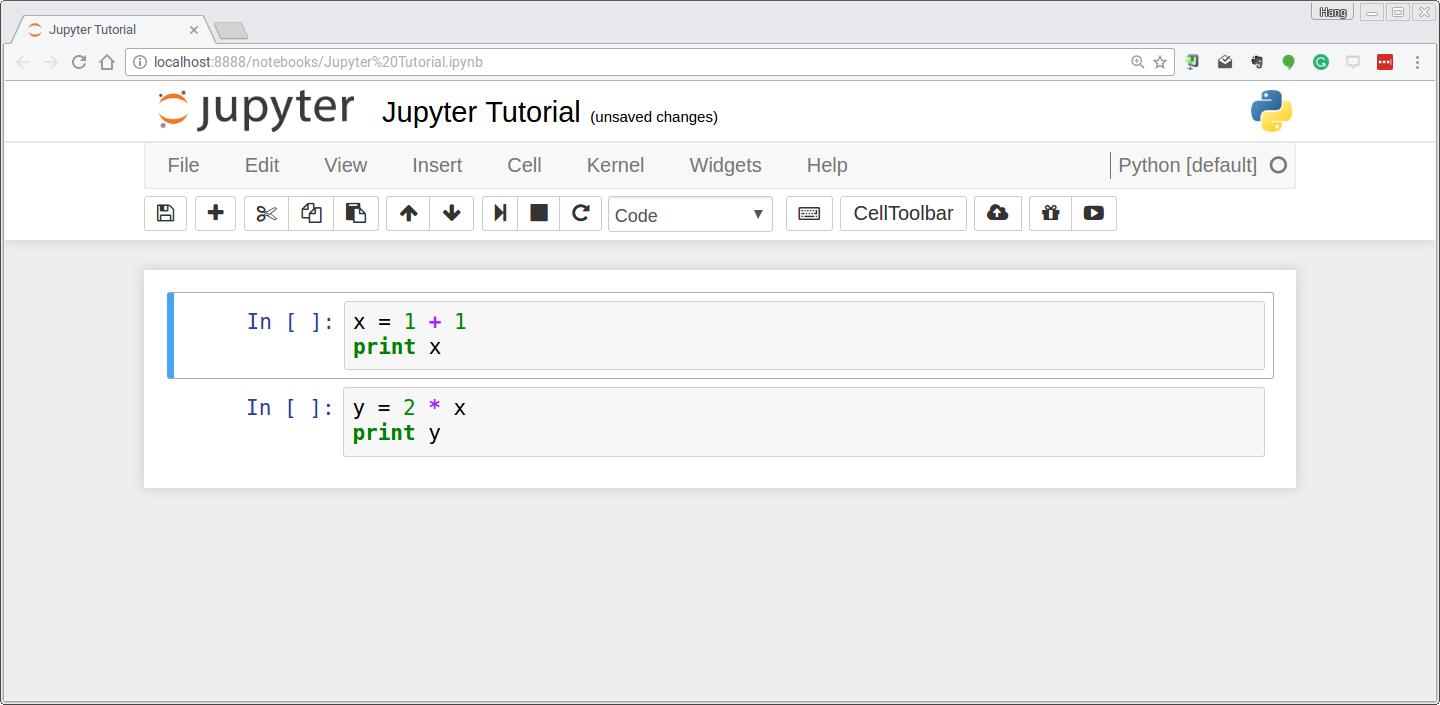
  • Introduction to Anaconda, Jupyter Notebook, and Google Colab.
  • Writing and executing your first Python program.
  • Understanding code cells, scripts, and notebooks.
  • Comments, indentation, and basic syntax.
  • Common errors and debugging fundamentals.
Module 2

Variables, Data Types, and Operators

  • Variables and naming conventions.
  • Integers, floating-point numbers, and strings.
  • Boolean values.
  • Checking data types.
  • Type conversion and casting.
  • Arithmetic operators.
  • Comparison and logical operators.
  • Assignment and membership operators.
  • String formatting and f-strings.
  • Input and output using input() and print().
  • Basic mathematical expressions.
Module 3

Strings and Data Structures

  • Creating and manipulating strings.
  • String indexing and slicing.
  • Common string methods.
  • Lists and list indexing.
  • Updating, adding, and removing list elements.
  • Tuples and their uses.
  • Sets and unique values.
  • Dictionaries and key-value pairs.
  • Nested data structures.
  • Iterating through lists and dictionaries.
  • Choosing the right data structure for a task.
Module 4

Conditional Statements and Loops

  • Decision-making in programming.
  • if, elif, and else.
  • Nested conditional statements.
  • Combining conditions using logical operators.
  • for loops and while loops.
  • Iterating over strings, lists, and dictionaries.
  • The range() function.
  • Using break, continue, and pass.
  • Nested loops.
  • Practical exercises involving calculations and data processing.
Module 5

Functions and Code Organization

  • What are functions and why use them?
  • Defining functions with def.
  • Function arguments and parameters.
  • Return values.
  • Default and keyword arguments.
  • Variable scope: local and global.
  • Lambda functions: a brief introduction.
  • Built-in functions.
  • Importing modules.
  • Creating reusable code.
  • Organizing a simple Python project.
Module 6

Files, Exceptions, and Basic Automation

  • Reading and writing text files.
  • Working with file paths.
  • Reading and writing CSV files.
  • Introduction to JSON files.
  • Using the with statement.
  • Handling errors with try, except, and finally.
  • Understanding common runtime errors.
  • Installing and importing external packages.
  • Basic automation of repetitive tasks.
  • Creating simple scripts for file processing.
Module 7

Introduction to NumPy

  • What is NumPy?
  • Arrays versus Python lists.
  • Creating one-dimensional and multidimensional arrays.
  • Array shapes, dimensions, and data types.
  • Indexing and slicing arrays.
  • Reshaping and combining arrays.
  • Element-wise operations.
  • Vectorized calculations.
  • Basic statistical functions.
  • Minimum, maximum, mean, standard deviation, and sums.
  • Random number generation.
  • Introduction to matrix operations.
Module 8

Data Analysis with Pandas

  • Introduction to Pandas and its applications.
  • Series and DataFrames.
  • Importing CSV and Excel datasets.
  • Inspecting data using head(), info(), and describe().
  • Selecting rows and columns.
  • Filtering records using conditions.
  • Sorting and ranking data.
  • Renaming columns and changing data types.
  • Handling missing values.
  • Detecting and removing duplicate records.
  • Creating and modifying columns.
  • Grouping data with groupby().
  • Aggregation and summary tables.
  • Merging, joining, and concatenating datasets.
  • Exporting cleaned data to CSV and Excel.
Module 9

Data Visualization with Python

  • Introduction to Matplotlib.
  • Creating line charts and bar charts.
  • Histograms and frequency distributions.
  • Scatterplots and relationship analysis.
  • Boxplots and outlier visualization.
  • Labels, titles, legends, and axes.
  • Customizing chart dimensions and layout.
  • Saving charts as image files.
  • Introduction to Seaborn for statistical visualizations.
  • Selecting appropriate visualizations for different datasets.
  • Creating clear figures for academic reports.
Module 10

Basic Statistics and Exploratory Data Analysis

  • Loading and understanding a research dataset.
  • Identifying variable types.
  • Descriptive statistics using Pandas and NumPy.
  • Frequency tables and percentage distributions.
  • Missing-data analysis.
  • Detecting outliers and unusual observations.
  • Correlation analysis.
  • Group comparisons and aggregation.
  • Exploring distributions and relationships.
  • Developing a basic exploratory data analysis workflow.
  • Interpreting findings and documenting limitations.
Module 11

Introduction to Scientific Computing

  • Using Python as a scientific calculator.
  • Mathematical functions and the math module.
  • Random sampling and simulation.
  • Introduction to SciPy.
  • Basic probability distributions.
  • Introduction to hypothesis-testing functions.
  • Working with numerical datasets.
  • Reading experimental or survey data.
  • Introduction to reproducible analysis.
  • Organizing notebooks for research documentation.
Module 12

Introduction to Machine Learning

  • What is machine learning?
  • Understanding features and target variables.
  • Training and testing datasets.
  • Introduction to scikit-learn.
  • Simple linear regression.
  • Basic classification using a sample dataset.
  • Introduction to decision trees.
  • Clustering with K-means.
  • Accuracy and other basic evaluation measures.
  • Making predictions on new data.
  • Understanding the limitations of beginner-level models.
Module 13

Practical Projects and Research Applications

  • Analyzing a survey dataset.
  • Cleaning and summarizing research data.
  • Automating a repetitive file-processing task.
  • Creating a collection of statistical charts.
  • Conducting a small exploratory data analysis project.
  • Documenting code and findings in Jupyter Notebook.
  • Exporting tables and figures for reports.
  • Saving and sharing reproducible analysis workflows.

Participants will be able to write basic Python programs, manipulate datasets, perform exploratory data analysis, generate visualizations, automate simple tasks, and understand introductory machine learning workflows.

← Back to courses